About Us
DTP Background
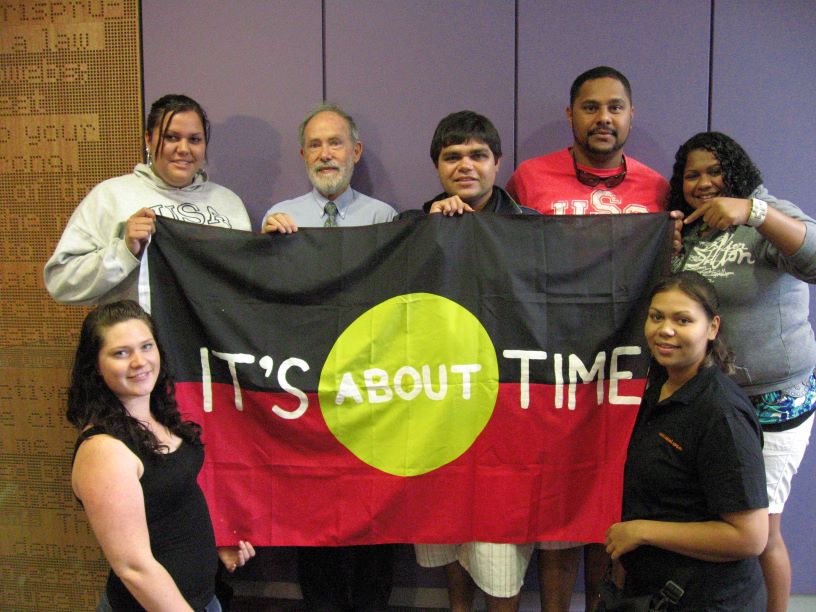
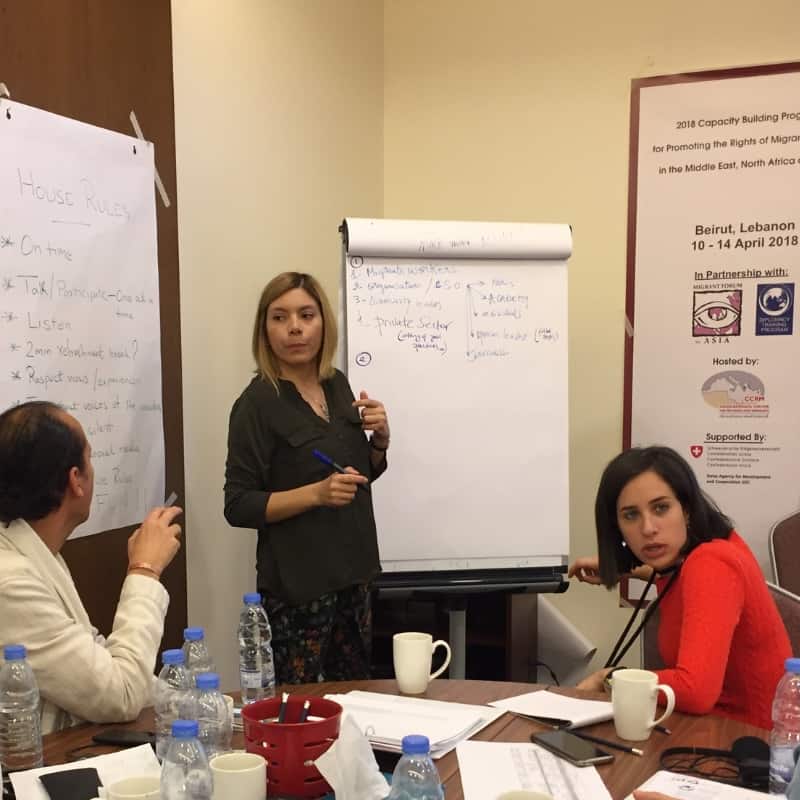
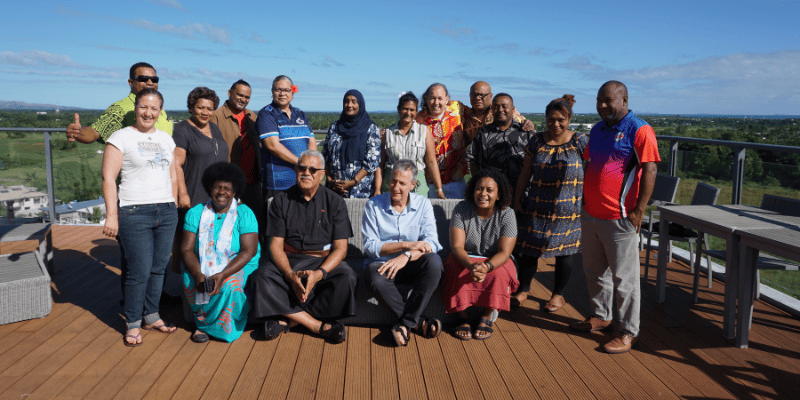
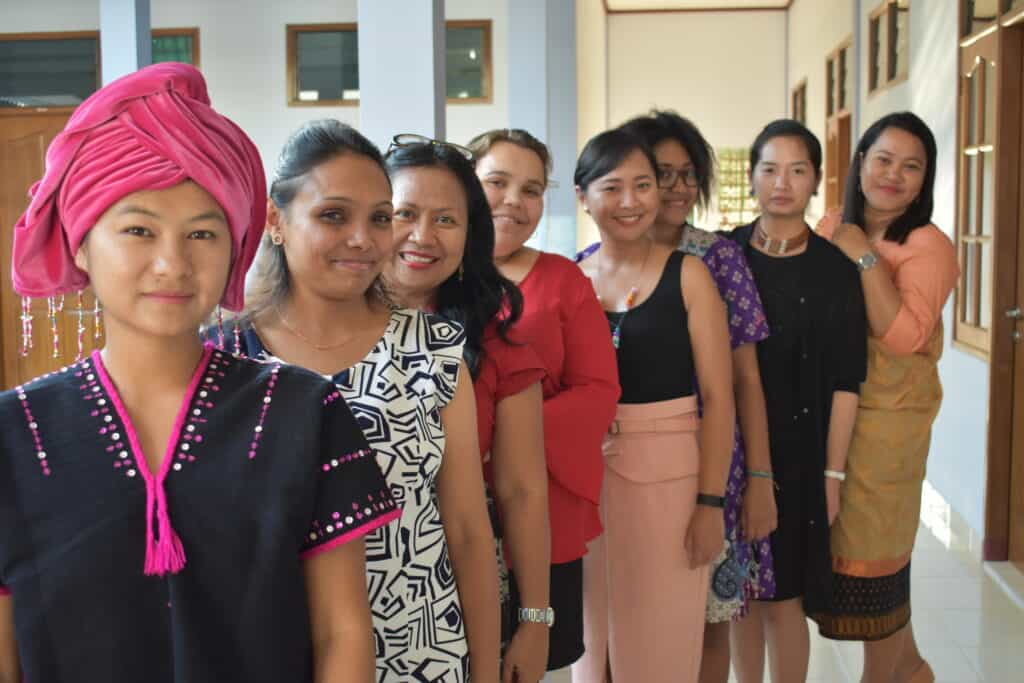
The Diplomacy Training Program was founded in 1989 to develop the knowledge, skills and effectiveness of human rights defenders and community advocates in the Asia-Pacific region and Indigenous Australia. The Diplomacy Training Program is an independent NGO affiliated with the Faculty of Law, University of New South Wales.
The Diplomacy Training Program (DTP) was founded by Professor José Ramos-Horta, 1996 Nobel Peace Laureate and Emeritus Professor Garth Nettheim. The organisation drew its inspiration and sense of purpose from José Ramos-Horta’s experiences in seeking solidarity and international action on human rights violations following the invasion of East Timor in 1975. José Ramos-Horta wanted to support more effective “peoples’ diplomacy” – to enable advocates to use the available international standards and mechanisms to advance their human rights issues and seek effective peaceful redress for their grievances. Since its first annual course in 1990 DTP has recognised the need to support Indigenous Australian advocates as well as advocates from the region.
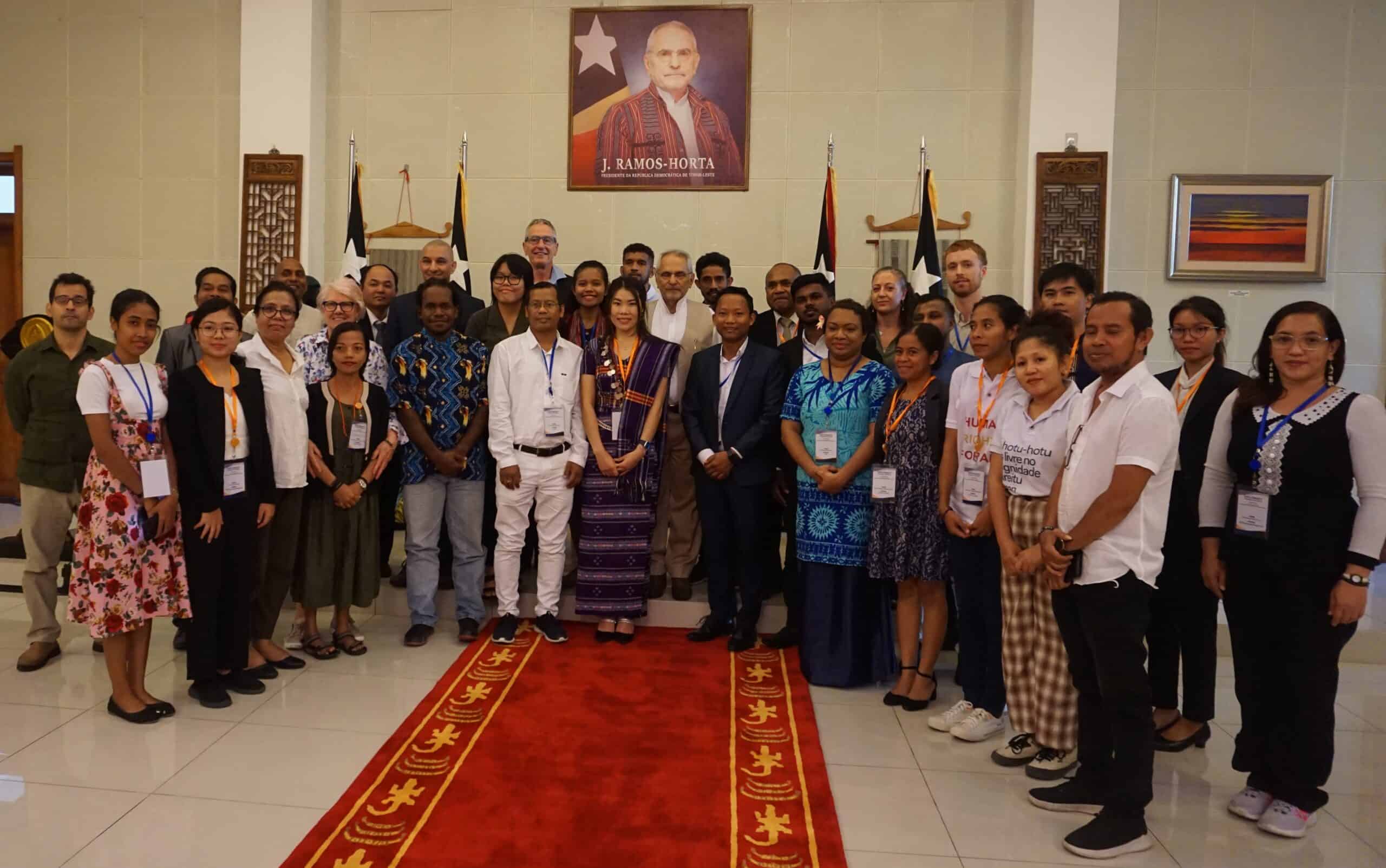
José Ramos-Horta is now President of an independent Timor Leste and DTP continues its work helping human rights defenders in the region through providing courses in human rights and advocacy skills. It is the longest establish organisation in the region providing human rights advocacy training and now has over 1300 alumni from its courses.
- The Diplomacy Training Program brings together academics, officials and NGO practitioners to provide participants with specialized knowledge and experience.
- Building on a proven track record, the Diplomacy Training Program is implementing programs that empower community advocates to make a difference for human rights in their societies and across the region.
Advisory
Committee
International
- Dr Philip Alston, Professor of International Law, New York University, NY (UN Special Rapporteur on Extra-judicial Executions)
- Ms Vicki Tauli-Corpuz, Director, Tebtebba Foundation, Philippines
- Mr Basil Fernando, Executive Director, Asian Human Rights Commission, Hong Kong
- Dr Hendardi, Executive Director, PBHI, Indonesia
- Mr Somchai Homloar, Asian Institute for Human Rights, Bangkok
- Prof Vitit Muntabhorn, Faculty of Law, Chulalongkhorn University, UN Special Rapporteur on Korea
- Mr Ravi Nair, Director, South Asia Human Rights Documentation Centre, New Delhi
- Mr Michael O’Flaherty, Director, Centre for Human Rights, Nottingham University, Member of United Nations Human Rights Committee
- Mr Lopeti Senituli, Former Director, Tonga Human Rights and Democracy Movement, Tonga
- Hon Motarilavoa Hildi Lini, Director, Pacific Concerns Resource Centre, Fiji
Australia
- Prof Hilary Charlesworth, Director, Centre for International Public Law, Australian National University, Canberra
- Prof Julian Disney, Social Justice Project, UNSW, and former President, International Council on Social Welfare
- Prof Mick Dodson, Chairperson, Australian Institute for Aboriginal and Torres Strait Islander Studies, Canberra
- Dr Elizabeth Evatt, Commissioner International Committee of Jurists
- Prof Marcia Langton, Dept. of Geography and Environmental Studies, University of Melbourne
- Mr Pat Walsh, CAVR Secretariat, Timor Leste, former Human Rights Director, Australian Council for Overseas Aid
Board of Directors and Secretariat
Board of Directors
- Emeritus Professor Paul Redmond (Chair) BA LLB LLM - Faculty of Law, UNSW
- Philip Chung BEc LLB– Executive Director, Australasian Legal Information Institute (AustLII)
- Emeritus Professor Garth Nettheim LLB MA AO – Faculty of Law, UNSW
- Dr John Pace BA LLD – Former Secretary, UN Commision on Human Rights, Geneva
- Dr Sarah Pritchard BA LLB LLM Drlur – Barrister, Selborne Chambers, Sydney
- Roewen Wishart BA LLB MPubPol- Philanthropy Executive, Bush Heritage Australia
- Professor Andrew Byrnes, Associate Dean, Faculty of Law, UNSW
- Professor Megan Davis, BA LLB LLM GDLP PhD- Director, Indigenous Law Centre, Faculty of Law, UNSW, Member of the United Nations Permanent Forum on Indigenous Issues
Secretariat
Executive Director: Patrick Earle
Program Coordinators: Imelda Deinla, Lorelle Savage
Program Officer: Sarah Torcasio
Trainers
The Diplomacy Training Program acknowledges the generous pro-bono involvement of its trainers who are drawn from acadamia, the UN system and from NGOs in the region. Trainers on DTP courses include:
- Philip Chung
- Shanthi Dairiam
- Virginia Dandan
- Megan Davies
- William Gois
- Maria Graterol
- Prof Paul Hunt
- Jerald Joseph
- Jacqui Katona
- Scott Leckie
- Sonia Smallacombe
- Minnie Degawan
|
- Nick Maclellan
- Max De Mesa
- Prof Vitit Muntarbhorn
- Ravi Nair
- Prof Garth Nettheim
- Justine Nolan
- Dr Aurora Porong
- Dr Sarah Pritchard
- HE Jose Ramos-Horta
- Professor Paul Redmond
- Andre Frankovits
|
Alumni
SOME DIPLOMACY TRAINING PROGRAM ALUMNI – MAKING A DIFFERENCE
Diplomacy Training Program alumni are now found making a difference in key positions throughout Asia and the Pacific, both in civil society and government. These are just some.
David De Vera, Philippines. Executive Director, Philippine Association for Intercultural Development (PAFID) providing key leadership on the Philippino Indigenous rights issue.
Saama Rajakaruna, Sri Lanka. Assisting the UN Special Rapporteur of Violence Against Women, and working within the International Centre for Ethnic Studies (ICES) on Sri Lankan peace projects bringing together state, private sector and civil society.
Chope Paljor Stering, Tibet. Representative of His Holiness the Dalai Lama for Australia, New Zealand and South East Asia.
Abel Guterres, East Timor. East Timor Consul General to Australia, formerly regional coordinator of the National Commission for Emergency (CNRT), East Timor.
FX Supiarso, Indonesia. Co-ordinator for Human Rights Research and Democracy Studies, Indonesia Legal Aid Foundation, (Yayasan Lembaga Bantuan Hukum: YLBHI).
Khuensai Jaiyen, Burma. Leader in Shan ethnic movement based in Nonghoi, Thailand, providing key direction to Shan movement.
Ursula Rakova, PNG. Oxfam regional representative, Bougainville, assisting the international peace process for the province, and former Manager, Environmental Law Centre, PNG.
Lopeti Senituli, Tonga. Director, Tongan Human Rights and Democracy Movement, Former Director of the Pacific Concerns Resource Centre, Fiji, which has a membership of almost 100 NGOs throughout the Pacific.
Waheed Ahmad, Pakistan. Secretary, Coordinating Committee of World Jurist Association for Pakistan and member Lahore Bar Association: Human Rights Committee.
John Ah-Kit MLA, Australia. Fmr Minister for Community Development, Northern Territory Government, Australia.
James Tan, Hong Kong. Chair of the Asian Centre for the Progress of Peoples, Hong Kong.
Narad Adhikari, Bhutan. General Secretary of the Druk National Congress, Bhutan.
Nurul Qoiriah, Hong Kong. Program Coordinator - Migrants Grassroots Organizing and Capacity Building, Asian Migrant Centre , Hong Kong.
Pranom Somwong, Malaysia. Advisor of the Action Network for Migrants (Thailand) and Labour and Migration Task Force of The Asia Pacific Forum on Women, Law and Development, Malaysia.
Dina Nuriyati, Indonesia. The Union of the Indonesian Migrant Workers (SBMI), Surabaya, Indonesia.
Milena Pires, Timor Leste. Country Director, UNIFEM, Timor Leste.
Also: Agio Periera (East Timor); Aung Naing Oo (Burma); Chum Phally (Cambodia); Dorji Dolma (Tibet); John Ondawame (West Papua); Moses Havini (Bougainville); Pradhir Talukder (India); Rosaline Costa (Bangladesh); Salai Za Bik (Burma); Saama Rajakaruna (Sri Lanka) Sou Chiam (New Zealand); Vani Dulaki (Fiji); Willy Mandowen (West Papua); Win Min (Burma).

Regional Partners
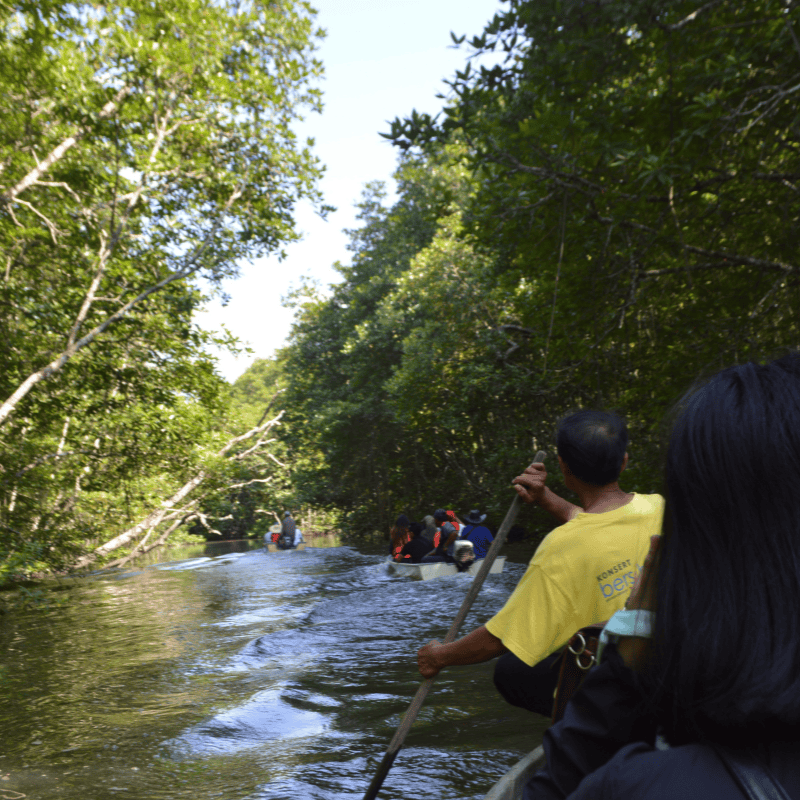
The Diplomacy Training Program is committed to working in partnership with others in Australia and the Asia-Pacific region that share a commitment to developing human rights advocacy capacity. All of its programs are held with regional and/or local NGOs and/or academic institutions in the region.
These partnerships take various forms – from working together on organising and facilitating programs, to developing program content and capacity building strategies.
The Diplomacy Training Program works in partnership with the following organisations:
Funding
The Diplomacy Training Program receives invaluable in-kind support from UNSW, but relies on project grants, training fees and donations to fund its work.
In discussion with its NGO partners, the Diplomacy Training Program identifies the projects and programs it wishes to seek funding for. It is committed to retain its independence through developing diversified sources of funding.
The Diplomacy Training Program gratefully acknowledges funding from:
Its work in recent years has been made possible by:
Training fee income has been provided by many organisations including:

Diplomacy Training Program - making a difference
Faculty of Law, University of New South Wales
NSW 2052 Australia
tel: + (61 2) 9385 3549
fax: + (61 2) 9385 1778
email: dtp@unsw.edu.au
www.dtp.unsw.edu.au |